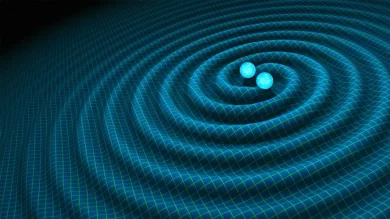
Waves & Oscillations Every oscillatory motion (small frequency) is vibratory motion (large frequency) but not vice a versa SHM > Force is directly proportional to displacement from mean / equilibrium…
Basics of Mechanics Mechanics is the branch of physics that deals with the study of motion, forces, and their effects on objects. It includes kinematics, dynamics, statics, work, energy, and…
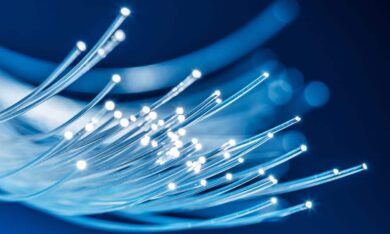
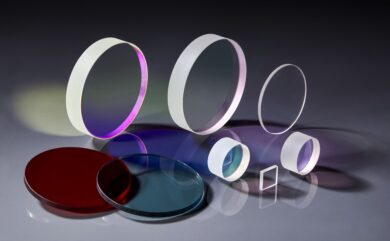
Fiber Optics & Laser Fiber Optics & Optical Fibers A technology that uses glass (or plastic) threads (fibers) to transmit data. A fiber optic cable consists of a bundle of…
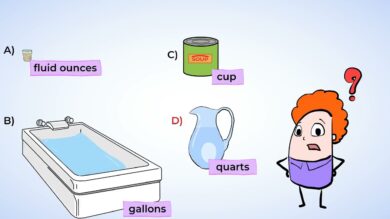
Systems of Units Measurement The CGS (centimeter, gram, second) system Length is measured in centimeters, mass is measured in grams and time is measured in seconds. Thus centimeter, gram and…
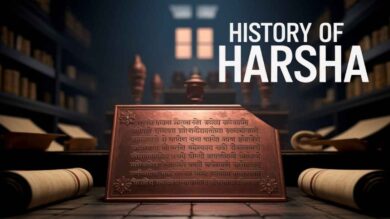
Harshavardhana (606 – 647 AD) After Gupta’s decline, Harshavardhana, a ruler of Thanesar, Haryana extended his authority over all fiduciaries Harshavardhana made Kannauj his capital & seat of power &…
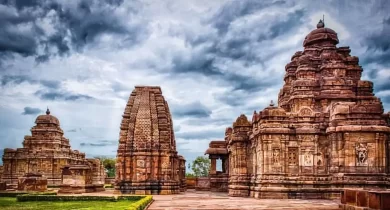
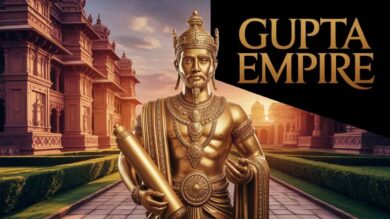
Gupta Empire (400 – 600 AD) On ruins of Kushan Empire rose Gupta Empire Constituted majority of UP & Bihar Main center of power at Prayag (Allahabad) Founder of Gupta…
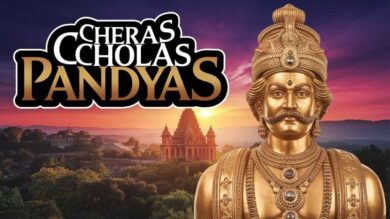
Cheras, Cholas & Pandyas “During Sangam age south India was ruled by 3 dynasties namely Cheras, Cholas & Pandyas” Cheras (Keralaputras) Capital > Vanji Seaports > Muziri & Tondi Emblem…
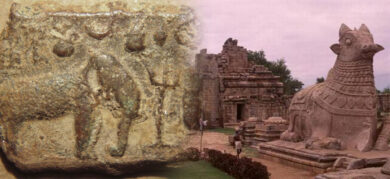
Sangam Age: 300 – 600 AD Sangam Age: 300 – 600 AD Assembly of poets Mainly patronized by Pandayas Divided in 2 parts Narrative 18 major works (Melkannakku) Mainly on…
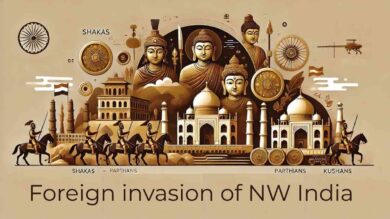
Foreign invasion of NW India: Shakas, Parthians, Kushanas Foreign invasion of NW India Bactrians & Parthians (Iranians) became independent from Syrian (Greek) rule around 300 BC Around 200 BC, B.C.…
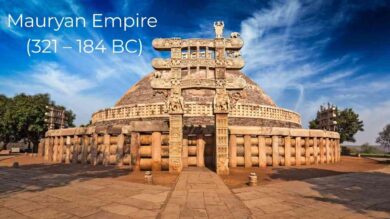
Post Mauryan India: Sungas Dynasty, Satavahanas Post Mauryan India After Ashoka’s death, his successors were not able to keep the vast Mauryan kingdom intact. Provinces started declaring independence. N-W India…
 Admin
Admin