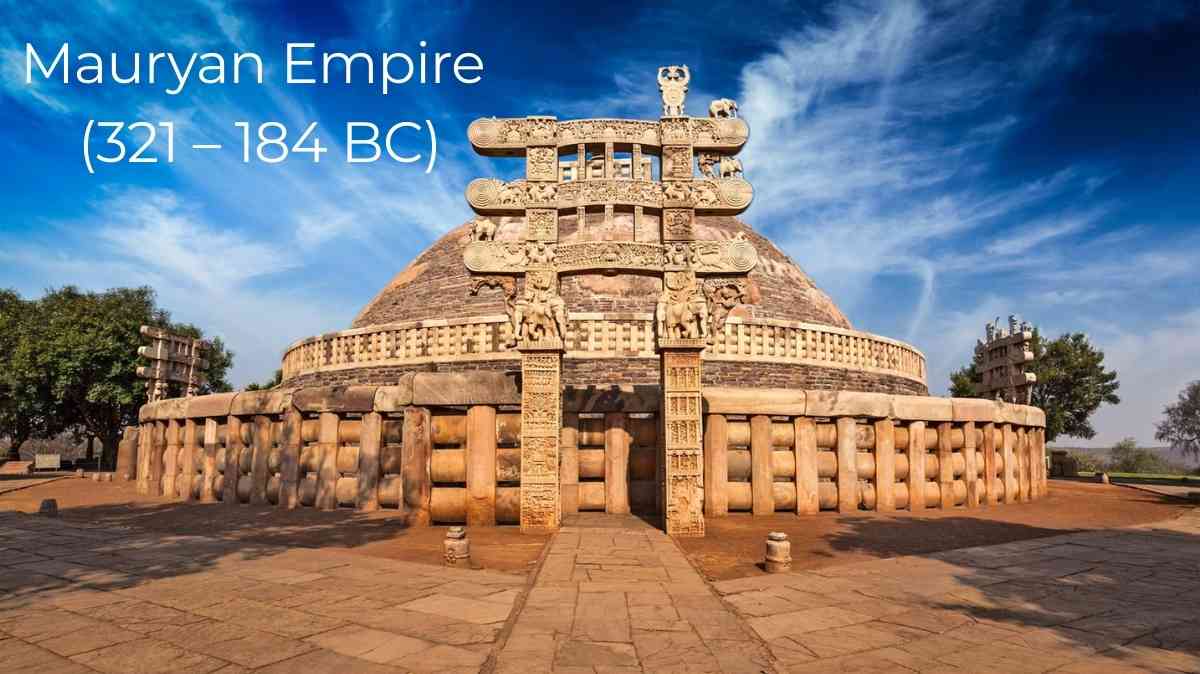
Post Mauryan India: Sungas Dynasty, Satavahanas
Post Mauryan India
After Ashoka’s death, his successors were not able to keep the vast Mauryan kingdom intact. Provinces started declaring independence. N-W India slipped out of Mauryan control & a series of foreign invasion affected this region.
- Kalinga declared its independence & in further south Satavahanas declared their independent rule
- As a result, the Mauryan empire was confined to Gangetic valley & soon replaced by Sunga dynasty
Sungas Dynasty
- Founder of Sunga dynasty was Pushyamitra Sunga, who was commander in chief under the Mauryas.
- He assasinated the last Mauryan ruler & claimed the throne
- After the invasion from Bactrian Greeks from N-W, Greeks advanced up to Patliputra & occupied it for some time but Pusyamitra sunga reclaimed it.
- He also fought against Kharvela of Kalinga who invaded N- India
- Pushyamitra was a staunch follower of Brahamanism & persecuter of Budhhists, however he patronised buddhist art & during his reign Buddhist monuments of Bharut (MP) & Sanchi were renovated
- After death of Pushyamitra, his son Agnimitra became the ruler
- The last Sunga ruler was Devabhuti, who was murdered by his own minister Vasudeva Kanva, Founder of Kanva dynasty.
- Kanva dynasty ruler for approx 45 years & then Supplanted by Satavahanas & few time later came Gupta’s at Magadha
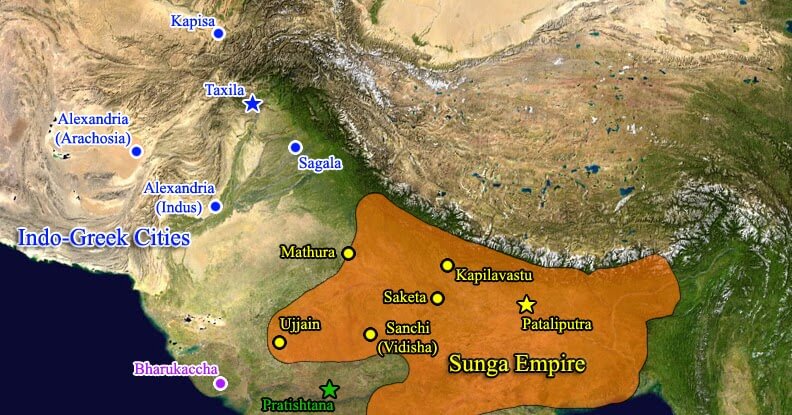
Effect of Sunga’s
Defended Gangetic valley from foreign invaders, revived Brahmanism, Vaishnavism, horse sacrifice & use of Sanskrit language. Hence, Sunga rule was a brilliant anticipation of golden age of Guptas

Satavahanas
- In deccan, Satavahanas established their independent rule after the decline of Mauryas.
- Their rule lasted for 450 years & were known as Andhras
- Capital > Paithan/ Pratisthan on the river Godavari
- Founder of Satavahana dynasty was Simuka. He was succeeded by Krishna, who extended his kingdom to west uptill Nashik
- Greatest ruler of Satavahana Dynasty was Gautamiputra Satkarni.
- Called himself the only Brahamana.
- Called himself the only Brahamana.
- Nashik & Nanaghad inscriptions throw light on achievements of Gautamiputra satkarni
- Patronised Brahamanism yet gave donations to Buddhists
- He was succeeded by his son Vashishtaputra Pulamayi who issued coins with the inscription of images of ships which shows naval power & maritime trade of Satavahanas
- Last great ruler of this dynasty was Yajna Sri Satkarni, who recovered Malwa & northern coast of konkan from Shaka rulers (which was captured by Rudradaman before)
- Satavahana period saw an extensive growth in overseas trade.
- Satavahana administration was almost same as Mauryans as District were called Aharas & officials Amatyas & Mahamantras.
- Administration of rural areas was placed under Gaulmika who was head of military regiment.
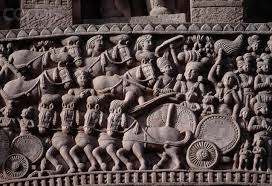
Satavahanas > Official Language (Prakrit)
- Issued Silver coins > Karshpanas + Issued Lead coins > For Trade
- West Port > Kalyani + East Port > Gandakasela + Ganjam
- Started Practice of giving Tax free Villages to Brahamanas & Monks
- Satavahana Kingdom had 3 grades of feudatories
- Raja > Sole right to strike coin
- Mahabhoja
- Senapati
- Revived Brahamanism along with practice of Aswamegha & Rajasuya sacrifices
- Kataka + Skandhvaras > Military Regiments as administrative center for kings at wartime
- Nagargunaconda + Amravati > Important Seats for Buddhists (Mahayana)
- Satavahanas formed many Chaityas (Temples – Most famous is Karle in West Deccan) & Viharas (Residents for monk)
- Gathasattasai / Saptasati > Attributed to Satavahana king Hala
- Satavahanas were succeeded by Ikshvakus
After the decline of the Mauryan Empire, several regional powers emerged, with the Sungas and Satavahanas being among the most significant.
🏛️ Sungas Dynasty (c. 185 BCE – 75 BCE)
-
Founded by Pushyamitra Sunga after assassinating the last Mauryan ruler, Brihadratha.
-
Capital: Pataliputra
-
Promoted Brahmanical revival, opposing the spread of Buddhism to an extent.
-
Known for strengthening military and resisting foreign invasions like the Indo-Greeks.
-
Patronized art and learning, seen in Sanchi Stupa renovations.
🏺 Satavahana Dynasty (c. 1st century BCE – 3rd century CE)
-
Also known as Andhras, they ruled the Deccan region.
-
Founder: Simuka, with notable ruler Gautamiputra Satakarni.
-
Promoted Prakrit language and supported both Buddhism and Brahmanism.
-
Played a key role in trade with the Roman Empire, using coastal ports.
-
Contributions in Buddhist architecture: Amaravati and Nasik caves.
📌 Summary:
The Sungas preserved Northern India post-Mauryas and revived traditional Hindu practices, while the Satavahanasintegrated regional culture with trade, Buddhism, and literature in the Deccan.
For more updates, explore the MCQs. Feel free to share your thoughts and comments
If you’re passionate about building a successful blogging website, check out this helpful guide at Coding Tag – How to Start a Successful Blog. It offers practical steps and expert tips to kickstart your blogging journey!
 Admin
Admin






6 comments
NO TIME PERIOD for any dynasty is provided in notes …so it become quite difficult in learning sequence of incidents….btw notes are of good quality
these are from Class 11 Tamil Nadu board …
anyone knows which ncerts are these from?
Tamilnadu 11th class textbook
Hence, Sunga rule was a brilliant anticipation of golden age of Guptas. It should be Mauryan.
Sir, Bharhut is in MP not HP.