Chalukya, Pallava, Pandyas
- 600 AD: 3 Main Kingdoms in South: Chalukya (Badami); Pallava (Kanchi); Pandyas (Madurai)
- Primary Language: Sanskrit
- Rise of agrarian economy + No megaliths + Decline in trade
- Numerous grants were made to Brahamanas
- Marked by beginning of construction of stone temple of Vishnu & Shiva
- Jainism was confined to Maharashtra
Chalukyas of Badami
- Northern Maharashtra > Vakatas (Brahamanas) Succeded Satavahanas
- Vakatas were Succeeded by Chalukyas of Badami (Vatapi)
- Chalukyas of Badami claimed their descendent from Moon/Manu/Brahma
- Capital > Badami (Vatapi) at Bijapur (Karnataka)
Greatest Ruler > Pulakeshin 2
- Aihole inscription by Ravikriti in Sanskrit
- Defeated Harshas Army advancing in Deccan on banks of Narmada

Architecture by Chalukyas
- Developed Deccan/ Vesara style Temples.
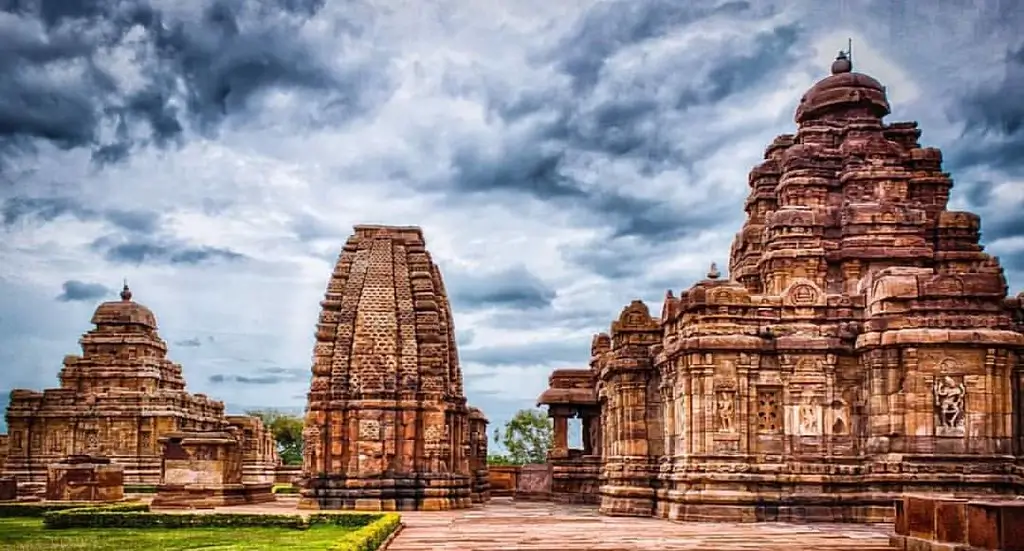
- Developed Papanatha & Virupaksha @ Pattadakal (City of famous 10 temples)
Also read: (Harshavardhana 606-647 AD)
Pallavas
- Eastern Peninsula > Ikshvakus (Suryavansh) Succeeded Satavahans
- Ikshvakus were succeeded by Pallavas
- Pallavas were called “Creeper/ Tondai / Robbers)
- Capital > Kanchipuram
- Conflict with kadambas (Founded by Mayurasharman : Capital > Vaijayanti)
Great Pallava Ruler > Narasimhavarman
- Defeated Pulakeshin 2
- Occupied Vatapi & entitled Vatapikonda
- Founded Port city of Mahabalipuram (Now Mamallapuram)
Pallavas Dravidian Style Temples
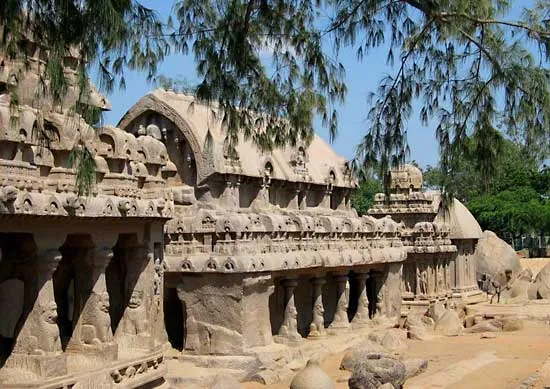
| 7 Ratha temple | Mahabalipuram | Rock cut |
| Shore Temple | Mahabalipuram | Free standing |
| Vaikuntha Perumal | Mahabalipuram | Free standing |
| Kailashnath Temple | Kanchipuram | Free standing |
Conflict with Kalbhras
- Pallavas, Chalukyas & Kadambas > All 3 were brahamans
- Followed brahamanism with vedic sacrifices
- Made numerous land grants to Brahamanas
- Kalbhras Patronised Buddhism & Buddhist monasteries
- Land grants to brahamanas led to revolt of Kalbhras mainly to put an end to Brahamadeya right to Brahamanas
Rural Structure
Generally 3 types of villages, namely Ur, Sabha & Nagaram
| Ur | Inhabited by peasants who held their land in common & village headman collected tax & paid on everyone’s behalf |
| Sabha | Brahamdeya or land granted to Brahamanas (Agrahara villages) |
| Nagaram | Inhabited by merchants & traders |
In Chalukya kingdom rural affairs were managed by village elders known as “Mahajana”
For more updates, explore the Ancient India History. Feel free to share your thoughts and comments.
If you’re passionate about building a successful blogging website, check out this helpful guide at Coding Tag – How to Start a Successful Blog. It offers practical steps and expert tips to kickstart your blogging journey!
 Admin
Admin