🏙️ Singapore Population Hits 6.11 Million, Fueled by Non‑Resident Growth
Singapore population 6.11 million, non-resident population growth, resident vs non-resident Singapore, demographic trends Singapore, 2025 population Singapore
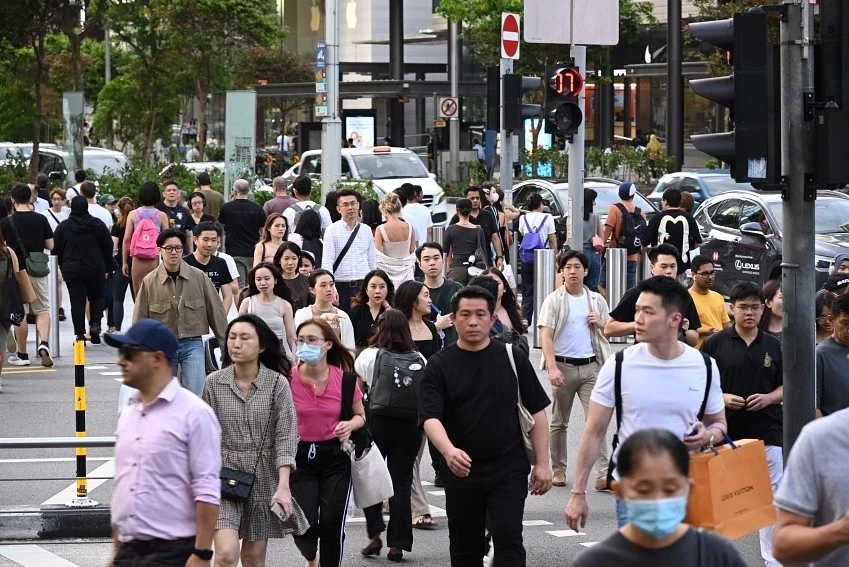
Singapore’s population reached a record 6.11 million in June 2025, driven largely by a surge in the non‑resident segment. The increase of 1.2 % compared to a year earlier underscores the growing role of foreign workers, migrants, and dependents in the city‑state’s demographic landscape.
Also read: United Airlines Ground Stop 2025 Technology Glitch Grounds All Flights
👥 Breakdown of Residents vs Non‑Residents
Of the 6.11 million people:
-
Residents (citizens + permanent residents) numbered about 4.20 million, including 3.66 million citizens and 0.54 million PRs.
-
The non‑resident population reached 1.91 million, up 2.7 % from 1.86 million in June 2024.
-
The citizen population grew modestly by 0.7 %, while the PR count remained nearly unchanged.
The non‑resident group is not homogeneous: about two‑thirds are foreign workers (on work permits) and the remaining third includes domestic helpers, dependents, and students.
This dynamic means non-residents now represent roughly 31 percent of Singapore’s total population.
Also read: Violet Affleck UN Speech: Clean Air, COVID & Youth Advocacy
🚧 What Is Driving the Non‑Resident Influx?
Several factors fueled the rise in non‑resident numbers:
-
Demand for labor in infrastructure and housing: Projects like Changi Terminal 5 and expansion of housing supply have increased demand for construction and skilled laborers.
-
Stability in foreign employment trends: The growth from June 2024 to June 2025 mirrors the trend observed in 2023–2024, suggesting ongoing reliance on foreign labor.
-
Selective PR and citizenship policies: The government continues to admit a controlled number of PRs and new citizens annually to supplement the resident population where needed.
-
Addressing demographic challenges: With low fertility and an aging citizen base, immigration is being used to counterbalance the decline in natural population growth.
Also read: Trump-Epstein Statue Trump-Epstein Statue Removal on National Mall
👶 Births, Fertility & the Aging Citizen Base
Key statistics on resident fertility:
-
In 2024, 29,237 citizen births were recorded, about 1.2 % higher than in 2023.
-
However, the resident total fertility rate remains extremely low at 0.97, unchanged from 2023.
-
The trend of smaller families is clear: over two decades, the share of ever‑married females without children or with one child increased, while those with three or more children declined sharply.
The majority of Singaporeans now delay marriage or parenthood, influenced by costs, work‑life balance, and evolving life priorities.

Also read: Bangkok Sinkhole Repair Subway Collapse Prompts Urgent Citywide Inspections
💍 Marriages & Shifting Household Patterns
Recent trends in marriages:
-
In 2024, 22,955 citizen marriages were recorded, down 5.7 % from 2023’s 24,355.
-
Over 2020–2024, average citizen marriages per year hovered around 23,000, slightly lower than the preceding decade.
-
The median age at first marriage rose to 30.8 for grooms and 29.1 for brides in 2024.
-
Interethnic marriages accounted for 19 % of citizen marriages, while transnational marriages made up 37 %
Simultaneously, the share of singles is rising, especially among younger age cohorts (25–29, 30–34).
👵 Aging Citizens & the Shifting Age Profile
Singapore’s citizen population is greying:
-
Citizens 65 and older make up 20.7 % in June 2025, compared to 13.1 % a decade earlier.
-
Those 80+ among citizens have climbed by ~60 % in the last decade, reaching ~145,000.
-
The median age edged upward from 43.4 in June 2024 to 43.7 years
-
The share of working-age citizens (20–64) dropped to 59.8 %, down from 64.5 % a decade ago.
By 2030, it is projected that nearly 24 % of citizens will be aged 65 or above.
🧩 Implications & Challenges Ahead
-
Strain on infrastructure and services: An expanded population heightens demand for housing, transport, healthcare, and utilities.
-
Labor dependency vs social cohesion: Heavy reliance on foreign labor raises questions of integration, identity, and social equity.
-
Demographic sustainability: Persistent low fertility means immigration becomes a long‑term necessity to maintain population size.
-
Policy balancing: The government must calibrate PR/citizenship intake carefully to avoid public backlash while ensuring economic vitality.
-
Aging support burden: With more seniors and fewer working-age citizens, pension systems and social safety nets will face increased pressure.
Singapore’s government emphasizes that while immigration mitigates demographic decline, it is designed to be measured and deliberate. New citizens are drawn from the PR pool, and only those meeting contribution, integration, and merit criteria are accepted.
For more updates, explore the Current News. Feel free to share your thoughts and comments.
If you’re passionate about building a successful blogging website, check out this helpful guide at Coding Tag – How to Start a Successful Blog. It offers practical steps and expert tips to kickstart your blogging journey!

 Lalit Bhatia
 Admin
Admin