🧊 Antarctica rescue mission: RNZAF flies through darkness to save three from McMurdo Station
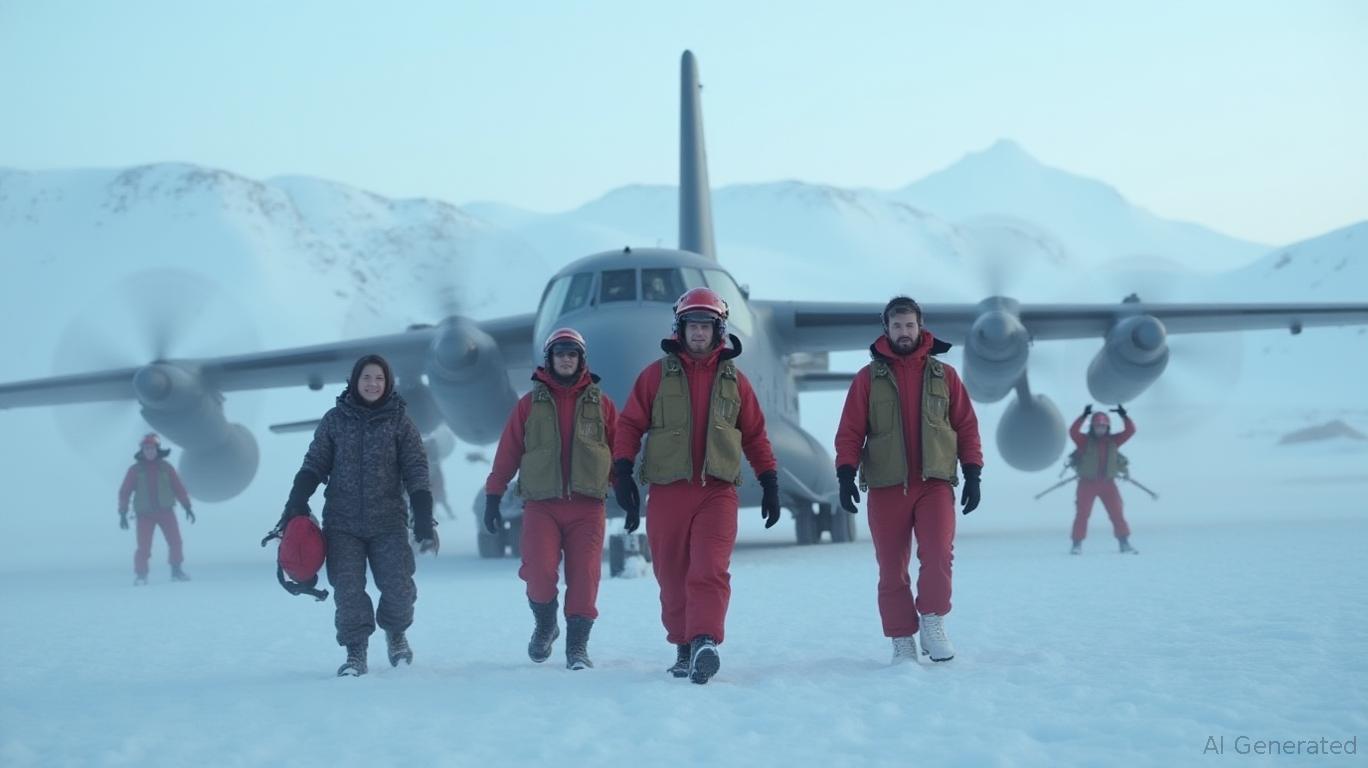
The Antarctica rescue mission by New Zealand’s Royal Air Force represents one of the most technically demanding operations global medevac teams can attempt. On Tuesday night, amid the polar winter and absolute darkness, a C‑130J Hercules aircrew evacuated three U.S. National Science Foundation personnel from McMurdo Station to Christchurch for medical care.

Also read: Kennedy vaccine cancellation: HHS pulls $500M in mRNA vaccine funding
🚨 Why the Mission Was Needed
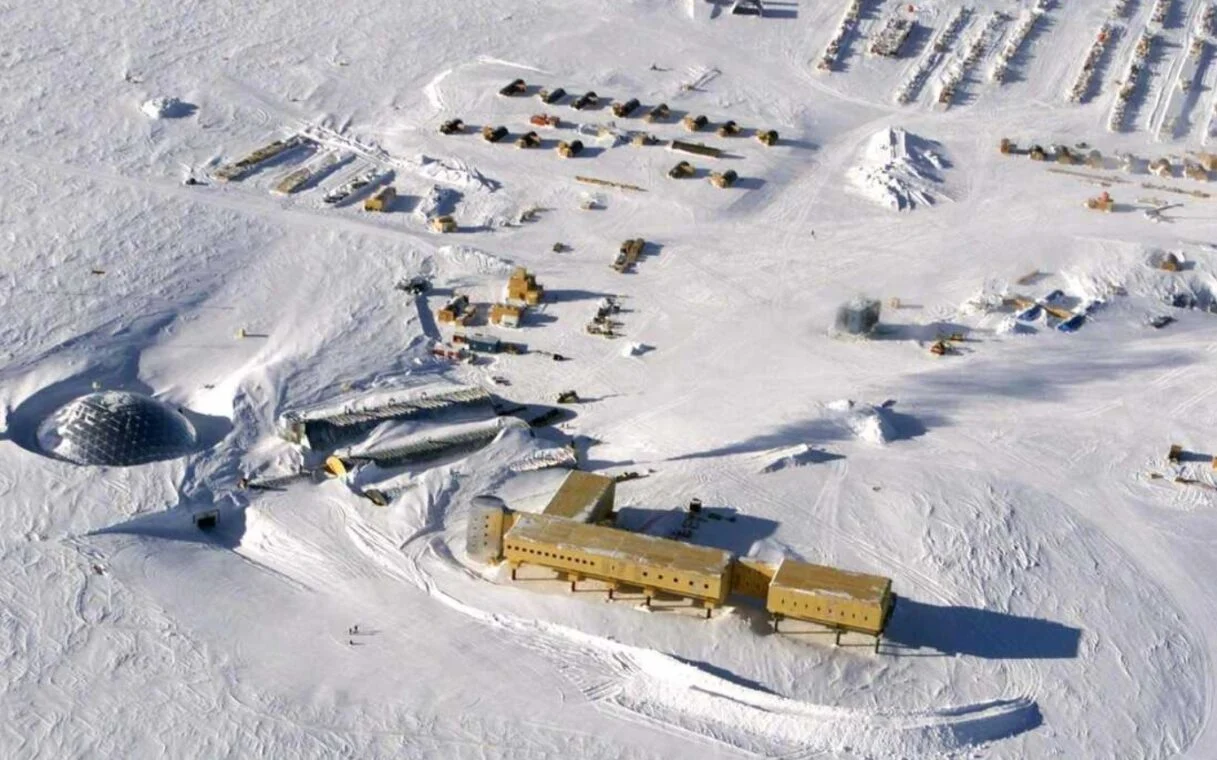
McMurdo Station, the U.S. hub for Antarctic research, houses around 200 staff during winter. Its on-site medical support is limited—similar to an urgent care clinic—and lacked capacity to treat one staffer with serious medical needs, along with two others requiring attention. The Antarctica rescue mission was launched at the NSF’s request due to lack of advanced medical facilities nearby
⏳ The 19.5-Hour Ordeal of Flight and Darkness
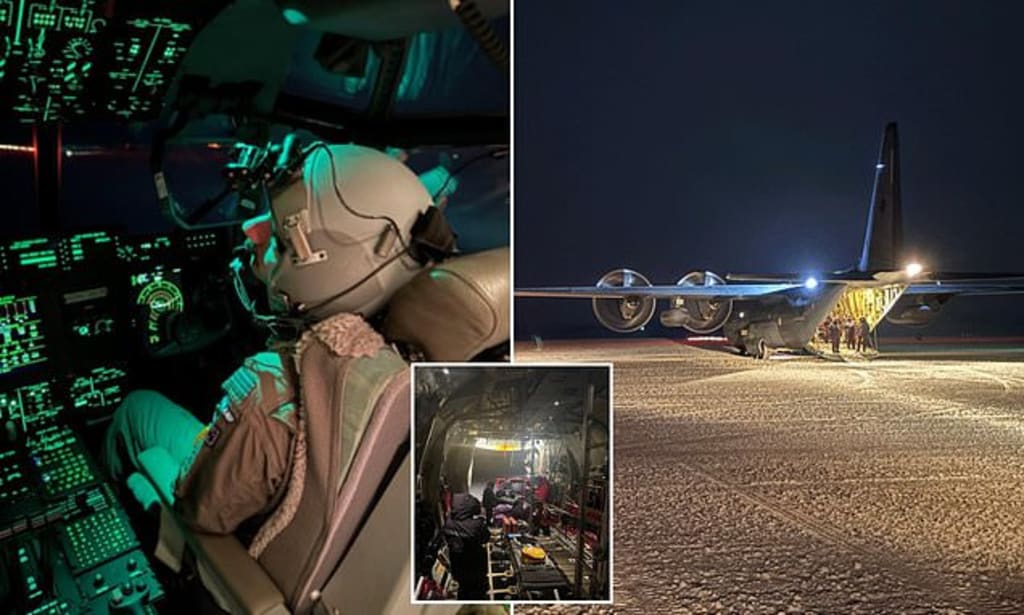
On Tuesday afternoon, RNZAF took off in a pre-positioned C‑130J Hercules based in Christchurch, flying across nearly 2,400 miles in total darkness and sub‑zero temperatures. The mission lasted about 19.5 hours in total—including the return. Temperatures near McMurdo fell to −24 °C (−11 °F), and the aircraft crew flew using night vision goggles to land on an icy runway.
Also read: Stockton Rush blamed in preventable Titan sub disaster, report finds
❄️ Ice Runway Challenges & Hot Refueling
Before the flight could land, a United States Antarctic Program Winter Team groomed the Phoenix airfield runway—clearing snow and preparing compacted ice. The landing was in complete darkness with no alternative diversion airfields available once beyond the “point of no return.” Every step required precision planning and assessment for safety
Once on the ice, the aircraft remained powered with engines running during hot refueling, ensuring the systems stayed operational in the intense cold
Also read: China revives Covid‑era measures to curb chikungunya outbreak
🧑⚕️ Onboard Medical Support
The flight carried Defence Force medics, including at least one medical officer who cared directly for the evacuees during the journey. The three NSF crew were in stable condition and safely transferred to Christchurch hospitals upon arrival
🧑✈️ Commanders Praise Precision and Courage
Air Commodore Andy Scott, RNZAF’s Air Component Commander, stated that this mission is among the hardest for the aircrew—navigating extreme cold, darkness, volatile weather, and an ice runway—requiring relentless analysis and decision-making at every stage
U.S. Chargé d’Affaires Melissa Sweeney called the operation “daring, dangerous, and deeply courageous,” noting that RNZAF’s flawless execution reflected world-class professionalism and readiness in one of Earth’s most unforgiving operating theaters
Also read: Frontline Ukrainians call out Trump’s cowardly retreat from Putin
🧭 Context: RNZAF Antarctic Medevac Background
While rare, mid-winter Antarctic rescue missions have occurred before. In previous years—2021 and 2024—the RNZAF landed on ice runways using night vision and evacuation procedures in similarly harsh conditions with success, helping maintain critical support to McMurdo Station during winter months
These flights are part of longer-standing cooperation between the U.S. Antarctic Program and New Zealand’s No. 40 Squadron RNZAF, which has supported Operation Deep Freeze and resupply missions since the 1990s, flying diver teams from Christchurch into Antarctica
⚙️ The Aircraft: C‑130J Hercules Capabilities
The mission utilized RNZAF’s C‑130J-30 Hercules, a strategic transport plane adapted for extreme environment operations. With enhanced engines, extended range, and rugged airframe, it can transition from tropical missions to polar operations seamlessly. The fleet is based at RNZAF’s No. 40 Squadron at Auckland, with international interoperability alongside allies such as Australia, the U.S., and Canada
🌐 Significance of the Rescue
This Antarctica rescue mission underscores three major themes:
-
International coordination between New Zealand and U.S. scientific operations in one of the world’s harshest environments.
-
Technical skill and preparedness required to conduct a mid-winter medevac—flights possible only when precise weather windows and runway prep align.
-
Humanitarian priority, placing the lives of researchers and staff above logistical and operational risks.
It’s a clear demonstration of the readiness and capabilities of small nations’ defense forces to operate in extreme conditions.
✔️ Final Words on the Antarctica Rescue Mission
The RNZAF’s recent operation to evacuate three personnel from McMurdo Station is a testament to courage, precision, and adaptability. Operating in total darkness and sub‑zero temperatures, the aircrew completed a complex 19.5-hour mission involving night-vision landings on ice, hot refueling, and in-flight medical support.
For more updates, explore the Current News. Feel free to share your thoughts and comments.
If you’re passionate about building a successful blogging website, check out this helpful guide at Coding Tag – How to Start a Successful Blog. It offers practical steps and expert tips to kickstart your blogging journey!

 Lalit Bhatia
 Admin
Admin