⚰️ Hamas Public Executions Reverberate Immediately After Peace Treaty
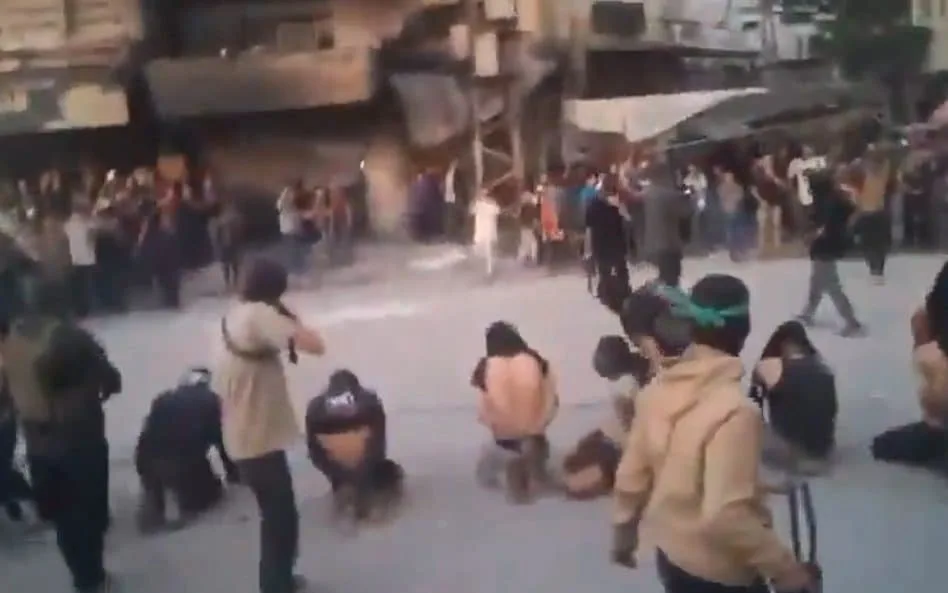
Hamas public executions erupted in Gaza mere hours after a peace pact was declared, underlining the brutal reality behind fragile truces. In shocking, verified footage, eight blindfolded men were forced to kneel and were fatally shot by Hamas gunmen before a cheering crowd.
The group claimed they had executed “collaborators with Israel”, though no transparent judicial process was presented.
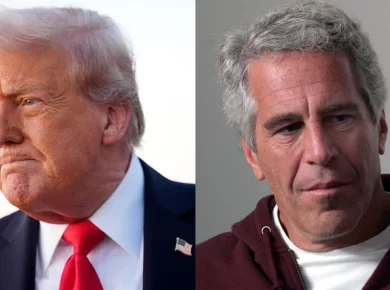
President Trump, meanwhile, had earlier hailed the treaty as marking the “end of an age of terror and death” — a declaration starkly contrasted by the immediate bloodshed
Also read: Popular Evangelist Dr Uma Ukpai Dies at 80 End of a Spiritual Era
🔎 Context: Gaza’s Power Struggle and Reprisals
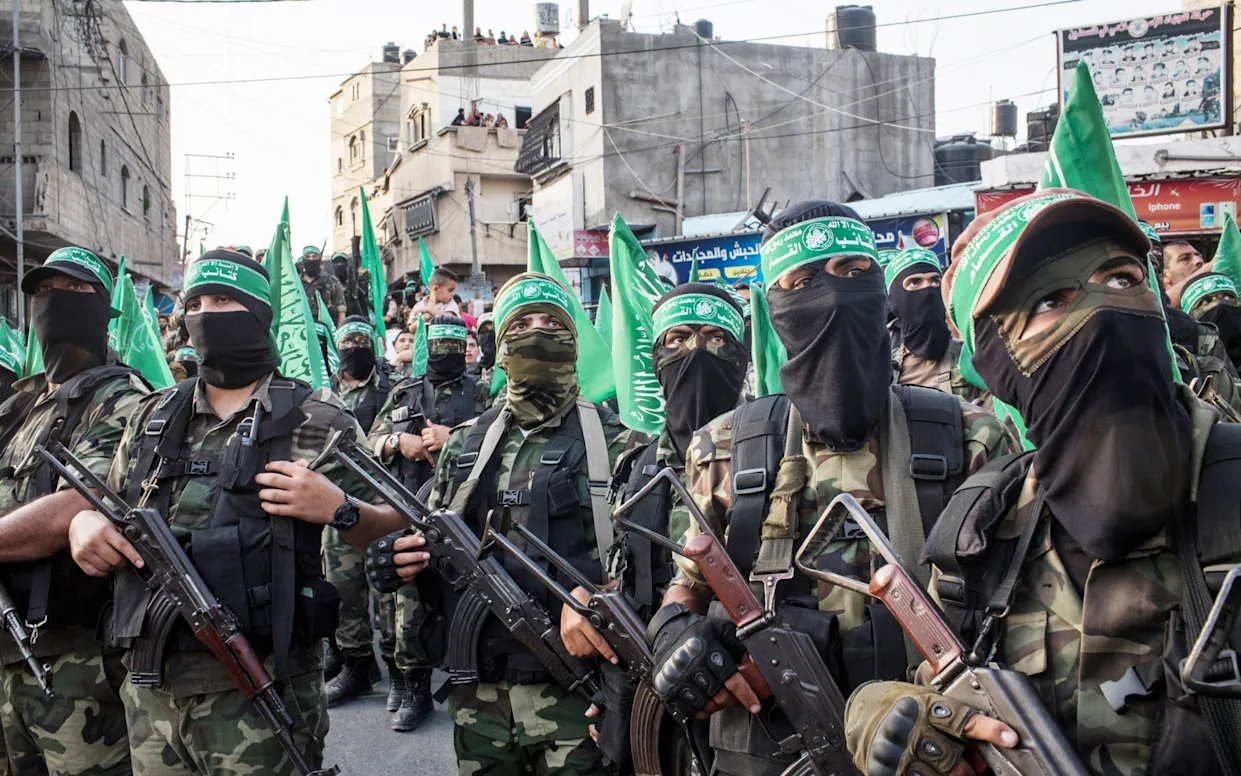
In the vacuum left by the Israeli withdrawal, Hamas has moved swiftly to re-establish dominance. The executions appear targeted at rival clans or militias that gained strength during the conflict.
For example, clashes with the powerful Dughmush clan earlier claimed dozens of lives — 52 clan members and 12 Hamas fighters, according to local reports. Hamas accused the clan of collaboration with Israel.
The treaty apparently granted Hamas interim control over internal security in Gaza, a step that critics argue has emboldened such violent reprisals.
Also read: New First Presidency Announced Dallin H. Oaks to Lead Church
⚖️ International Response & Legal Implications
The Palestinian Authority strongly condemned the killings, accusing Hamas of heinous crimes committed without due process.
Human rights observers and UN officials also denounced the acts, characterizing them as extrajudicial killings and gross violations of both Palestinian law and international human rights norms.
Given the absence of verified trials, the executions raise profound legal questions:
-
Were the accused afforded a fair hearing?
-
What standards and evidence were used to justify death sentences?
-
Can such acts be lawful within the chaos of war or a new treaty context?

Also read: Clinton Square Vigil Honors George Floyd in Call for Reform
🧨 The Gap Between Peace Declarations and Violent Reality
The timing is especially jarring: the executions occurred almost immediately after the peace terminology was formalized. In effect, they illustrate how Gaza peace deal rhetoric can mask ongoing cycles of violence.
Trump’s stated aim of disarming Hamas — “We will disarm them if they do not lay down weapons” — now clashes with a peace framework that seems to temporarily empower the same group.
Thus, the Hamas public executions may indicate that the peace agreement has paradoxically reinforced Hamas’s internal coercive tools rather than curtailed them.
Also read: US Aid to Argentina Hinged on Milei Win “Not Going to Waste Our Time”
🚨 What to Watch Going Forward
As the situation evolves, several trends will be pivotal:
-
Whether further public executions or reprisals continue
-
How international donors and mediators react to human rights abuses
-
The ability of any alternative Palestinian authority to assert legitimacy
-
How Israel and other actors respond, especially if disarming Hamas becomes contested
-
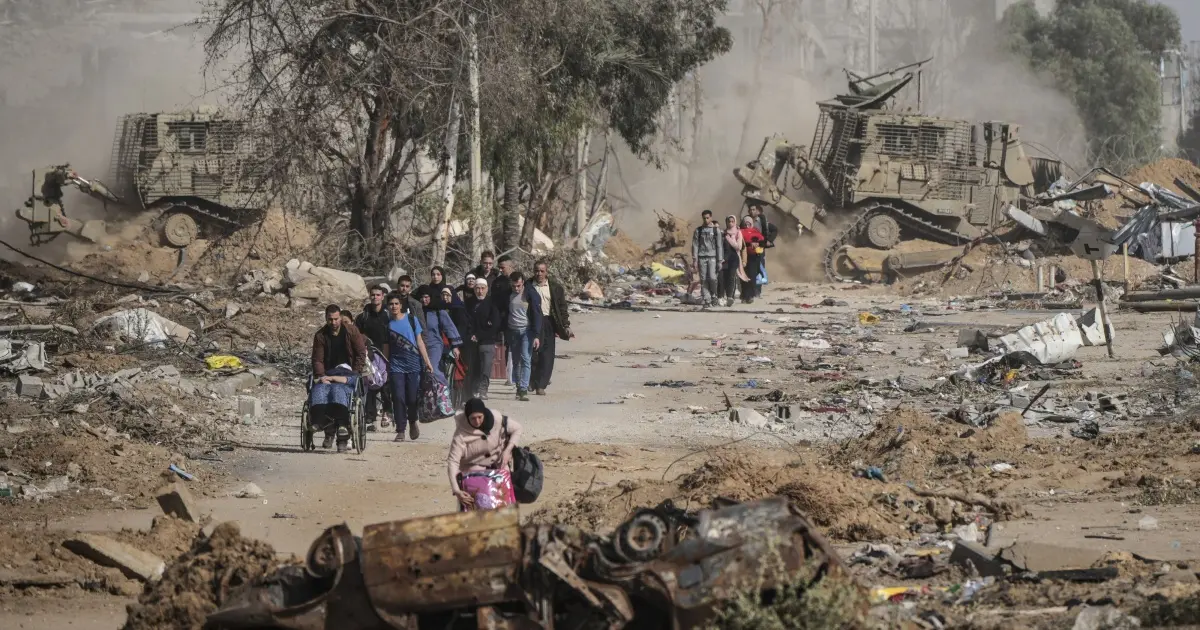
How Palestinian civilians, already suffering from war and siege, will cope under renewed terror
🔚 Conclusion: Between Peace Rhetoric and Reign of Fear
The Hamas public executions in Gaza reveal a grim truth: peace treaties and declarations may conceal deeper battles for power. These reprisals in Gaza underline how fragile governance and competing forces still govern daily life in the enclave. The dissonance between the Gaza peace deal and the stark violence now playing out suggests that real peace demands far more than signatures on paper.
For more updates, explore the Current News. Feel free to share your thoughts and comments.
If you’re passionate about building a successful blogging website, check out this helpful guide at Coding Tag – How to Start a Successful Blog. It offers practical steps and expert tips to kickstart your blogging journey!

 Lalit Bhatia
 Admin
Admin